
Famous Artists with Disabilities and Their Inspiring Stories
A body in pain lies still. A mind keeps moving. That tension has shaped some of the most memorable art in history.
When people search for a famous artist with disability, they often find a short summary of struggle followed by success. That misses the most important part. Disability didn’t sit at the edge of these artists’ lives. It changed how they worked, what they noticed, how they communicated, and why their art still resonates with people.
Some adapted tools. Some built new routines. Some turned inward and made art from isolation, grief, sensory difference, or physical pain. In each case, disability shaped process as much as subject. The result wasn’t lesser art made under harder circumstances. It was art with a different kind of clarity.
That matters now because many disabled adults are still told to think in terms of limits first. These lives suggest another way to think. A limitation can also become a lens. A barrier can force invention. A different body or mind can create a different relationship to sound, language, movement, memory, and connection.
The names on this list are famous, but the lesson isn’t celebrity. It’s recognition. People want to be seen as fully human, not reduced to a diagnosis, accommodation, or stereotype. Great artists often make that human truth visible faster than any lecture can.
You’ll notice that resilience shows up here in different forms. For one person, it meant painting from bed. For another, it meant learning to communicate through technology. For someone else, it meant trusting a sensory system that other people didn’t understand. None of those paths are identical, and that’s part of the point.
These seven lives show how disability can shape identity, self-expression, and the search for connection in ways that are practical, emotional, and creative.
1. Frida Kahlo – Chronic Pain & Physical Disability
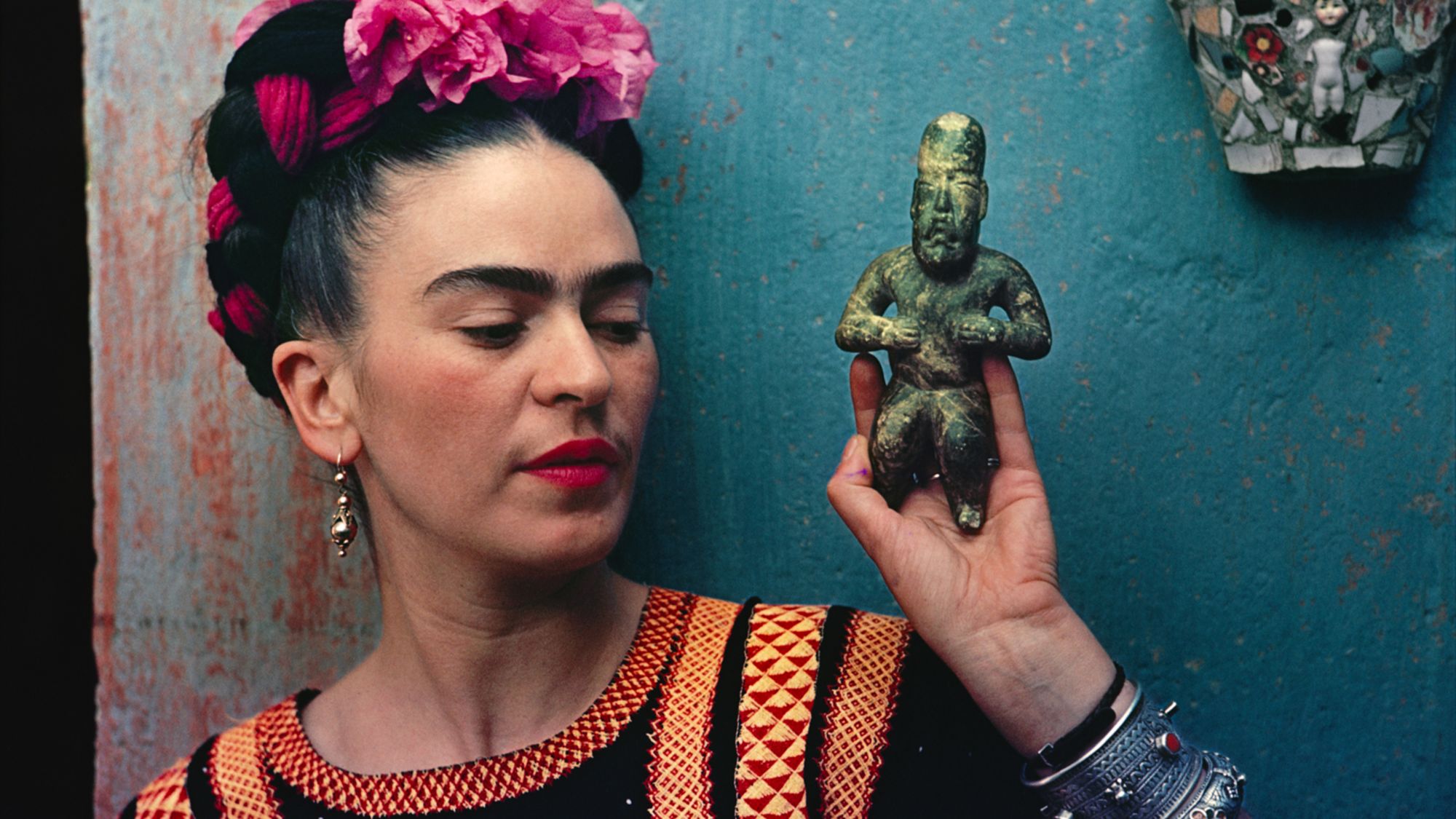
Frida Kahlo began painting after her body had already been changed by illness and injury. As a child, she lived with the effects of polio, which left one leg weaker. In late adolescence, a catastrophic bus accident caused severe injuries and years of medical treatment. Pain was not a side note in her life. It shaped how she moved, rested, dressed, and saw herself.
That history helps explain why her paintings feel so direct.
During recovery, she spent long stretches in bed and turned to painting in a practical way first. If your world becomes smaller, attention often grows sharper. Kahlo used the space available to her, her room, her mirror, her own body, and made those limits part of her method. She painted herself again and again because she was the subject she knew most intimately and the one she could always reach.
Her self-portraits work like a visual diary, but they are more crafted than confession alone. She did not merely record pain. She translated it into symbols people could feel. Corsets, tears, broken bodies, exposed organs, split vistas, and steady eye contact all helped her turn private suffering into shared recognition.
How disability shaped the work
In paintings such as The Broken Column, Kahlo presented physical pain as something structural, constant, and impossible to ignore. The image of the body held together and breaking at the same time gives viewers a way to understand chronic pain that plain description often cannot. Many disabled adults know this problem well. Pain can be real, relentless, and still hard to explain to people who have never felt it.
Kahlo also painted medical trauma, miscarriage, isolation, and the emotional weight of living in a body that demands attention every day. That is part of why her work still connects so strongly with viewers. She made disability visible as lived experience, not as a lesson or a symbol of moral purity. Her art says, in effect, this happened to me, this is how it feels, and you are close enough to look.
That kind of honesty creates connection.
Practical rule: If your body changes your daily life, that experience can become material for meaningful art, writing, music, or storytelling.
Kahlo’s example is useful because it shows resilience as adaptation, not perfection. She adjusted her process to pain, rest, and recovery. She used self-portraiture because it fit her circumstances, but she also used it to build identity. For adults living with disability now, that lesson matters. A changed body can close some paths while opening others that are more personal, more precise, and more honest.
Many people discover creative interests after illness or injury interrupts an earlier plan. Exploring how physical disabilities can help people discover new hobbies can help you find forms of expression that match the body you live in now. Kahlo’s life makes that idea concrete. She did not wait for pain to disappear before making art. She worked from inside it, and that choice gave her paintings their unusual power.
2. Ludwig van Beethoven – Deafness & Mental Health
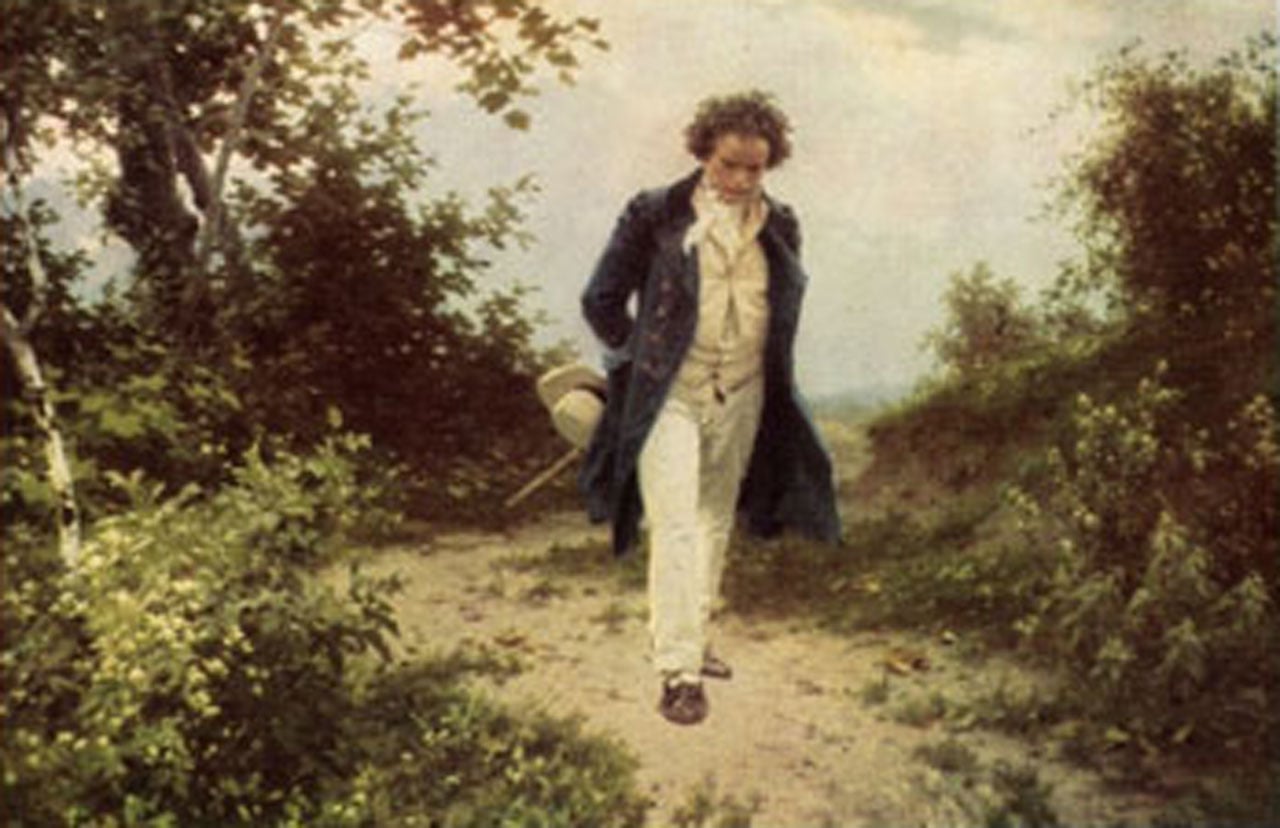
Beethoven is often described through triumph. That word can flatten his story. His deafness was more than a challenge he “beat.” It changed his relationship to sound, other people, and himself.
For a composer, hearing loss can threaten identity at the root. Music was his craft, his language, and his profession. As his hearing declined, isolation grew around him. Accounts of his life often also note periods of deep emotional struggle and withdrawal. That combination matters because disability is rarely only physical or sensory. It often changes mood, confidence, and the ease of social connection.
Silence changed the work
What makes Beethoven so compelling is that he continued composing while living inside that separation. He could no longer rely on music in the straightforward, external way many people imagine. Instead, composition became increasingly internal. Structure, memory, feeling, and imagination carried more weight.
That’s a lesson many disabled people already know in other contexts. When one channel narrows, another often deepens. Some people become more attentive to pattern. Others become more deliberate in communication. Others grow more exact about what feeling they want to express because they can’t depend on effortless interaction anymore.
Deafness can affect more than hearing. It can reshape confidence, conversation, and belonging. That’s why communication style matters as much as vocabulary.
For adults navigating hearing loss or dating with deafness, practical communication habits matter in everyday life. Learning more about how to communicate with deaf people can make conversations calmer, clearer, and more respectful. That’s true in friendship, romance, and creative collaboration.
What his life still teaches
Beethoven’s legacy shows that art isn’t always made under ideal conditions. Sometimes it’s made in tension with frustration, grief, and sensory loss. That doesn’t make the work smaller. It can make it more concentrated.
His example also pushes back against a common misunderstanding. People often assume disability only affects output. In reality, it also affects process. A disabled artist may need more planning, more internal rehearsal, more rest, more adaptation, or more emotional recovery after social strain. None of that makes the work less serious.
A useful way to think about Beethoven is this:
- Identity under pressure: He kept claiming the role of artist even when his condition threatened the very sense connected to his craft.
- Expression without easy feedback: He continued shaping emotional experience into art even when ordinary auditory confirmation became unreliable.
- Connection through form: His music reached people because it held suffering and dignity together, which many listeners recognize immediately.
When people look for a famous artist with disability, Beethoven belongs on the list not only because he was brilliant. He belongs there because he shows what happens when a person refuses to let a changing body erase a creative self.
3. Christy Brown – Cerebral Palsy & Literary Achievement
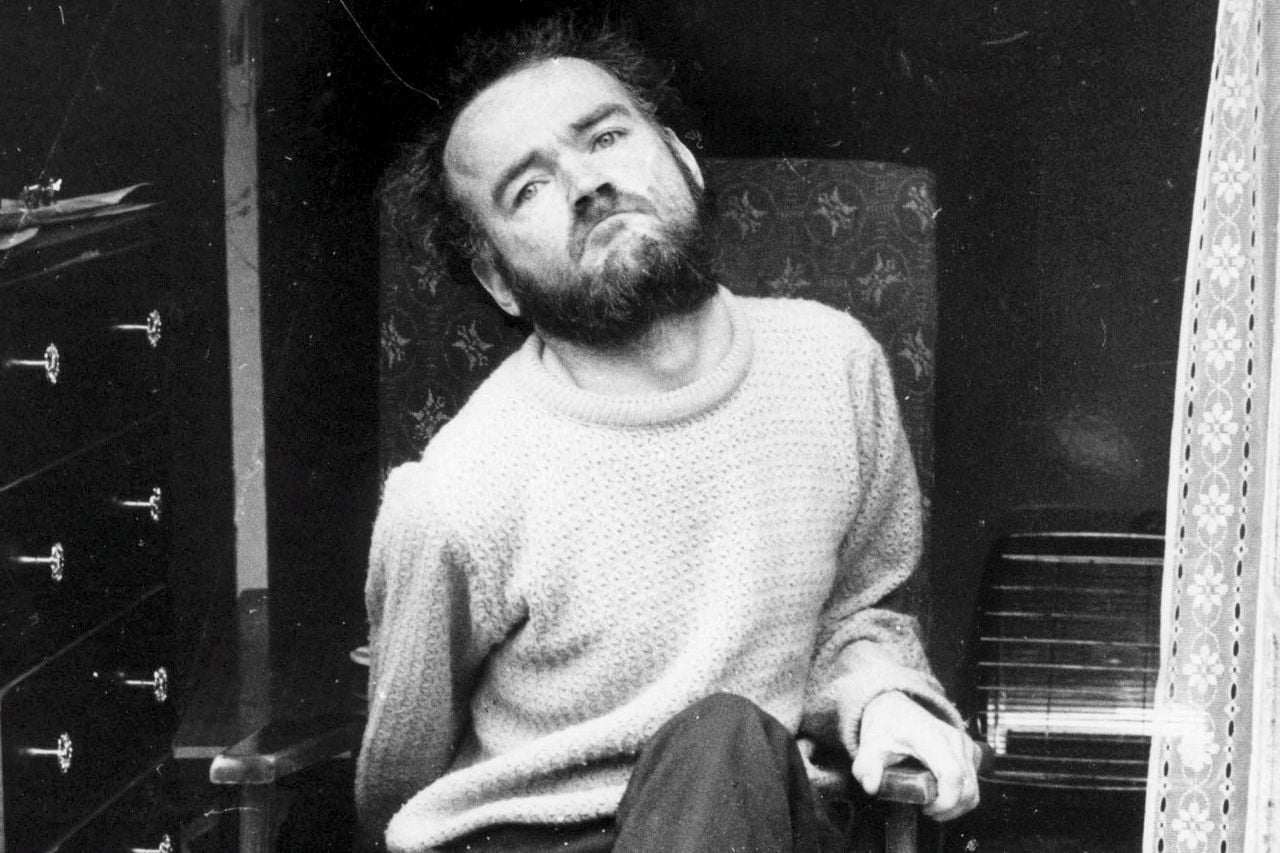
Christy Brown’s story is a powerful reminder that expression doesn’t have to arrive through typical movement, speech, or classroom pathways. Born in Ireland with cerebral palsy, he had severe physical impairment and used his left foot to write and paint. That fact is well known, but the deeper lesson is about access. Brown’s ability was there long before the world knew how to read it.
For many disabled adults, that feels familiar. Other people often mistake limited speech or limited motor control for limited thought. Brown’s life pushed hard against that assumption.
One working limb became a language
His left foot was not a symbol. It was a tool. With it, he built a practical path into literacy and art. That shift matters because adaptation is easiest to admire from a distance and hardest to understand up close. It takes repetition, patience, assistance, and someone willing to treat a nonstandard method as valid.
Brown became known for his autobiography My Left Foot, a title that tells the whole story in miniature. He didn’t write around disability. He wrote through it. The body that frustrated others became the body through which he authored his own identity.
The same principle applies beyond writing.
- Alternative input can reveal talent: A hand isn’t the only route to painting or typing.
- Support changes outcomes: Encouragement and access often reveal ability that institutions miss.
- Self-definition matters: Disabled people need room to describe their own experience in their own medium.
Why Brown still matters
His life speaks to anyone who has ever been underestimated because their communication looked unfamiliar. Brown’s achievement wasn’t only artistic. It was relational. He forced readers and viewers to encounter him as an author and artist, not as a diagnosis.
That has a strong social lesson for disabled adults navigating friendship and dating. Real connection starts when another person is willing to see method separately from worth. Someone may move differently, speak differently, type slowly, use assistive supports, or need extra time to respond. None of that tells you what depth of thought or warmth is present.
A person’s pace of communication isn’t the same as the size of their inner life.
Brown’s work remains important because it turns a basic truth into something visible. Human expression is flexible. If one route is blocked, another can be built. That’s true in art, and it’s true in relationships. Many people don’t need fixing. They need time, respect, and a way to be heard.
His life also offers a practical model for creative problem-solving. Instead of asking, “What can’t I use?” he effectively asked, “What can I build with what remains available?” That question can open a lot of doors for disabled creators, especially when standard tools don’t fit.
4. Stevie Wonder – Blindness & Musical Genius
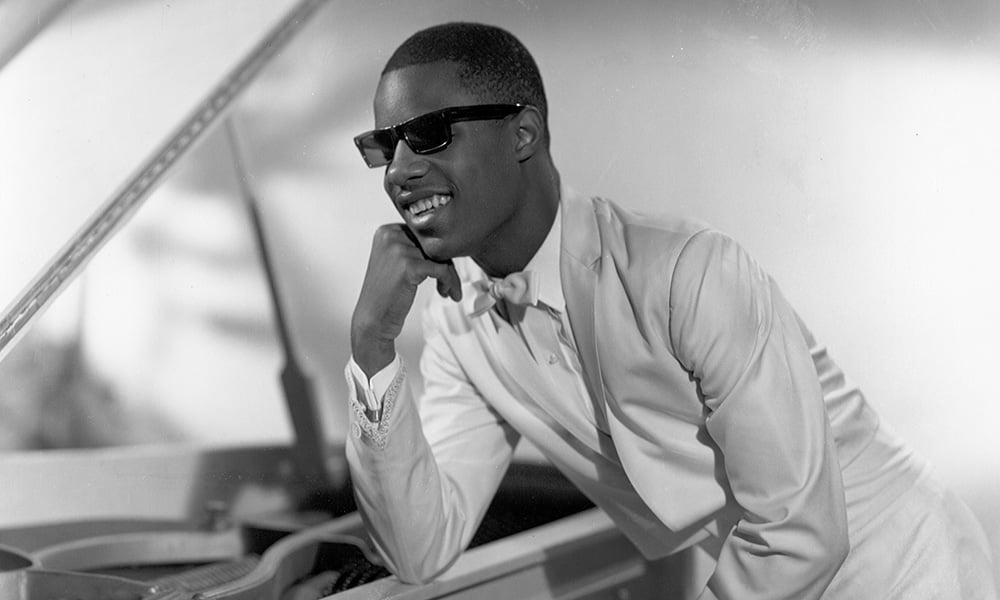
Stevie Wonder shows how blindness can shape artistry without limiting scale, range, or influence. Blind since infancy, he built a career defined by musical sophistication, emotional warmth, and technical command. People often talk about his talent as if it appeared untouched by disability, but that misses an important point. Blindness can change how a person listens, memorizes, moves within a performance space, and relates to audiences.
His work carries a strong sense of musical architecture. Rhythm, vocal phrasing, layering, and the intricate use of instruments do a great deal of the storytelling. That kind of artistry reminds us that perception is never just visual.
Listening as world-building
For sighted audiences, performance is often tied to stage image first. For many blind artists, sound itself carries the emotional and spatial map. Wonder’s career is a useful example because it challenges a shallow stereotype that blindness belongs only to “overcoming” stories. In reality, blindness can produce its own relationship to craft, rehearsal, memory, and presence.
He also became a visible public figure, which matters in a different way. Representation changes what people believe is possible. When disabled people see someone thriving in public, it can reduce the pressure to hide difference or apologize for it.
That’s why broader inclusion for disability matters far beyond policy language. Inclusion shapes who gets invited, who gets accommodated, who gets taken seriously, and who gets imagined as attractive, capable, creative, or leadership-ready.
The lesson behind the fame
Stevie Wonder’s life offers a few practical insights that go beyond admiration:
- Skill grows through adaptation: Musicians don’t need vision to build mastery in timing, expression, and composition.
- Confidence can be learned socially: Visibility helps other disabled people imagine fuller lives for themselves.
- Art creates connection fast: A song can communicate complexity before people have a chance to stereotype the person who made it.
One reason a famous artist with disability matters culturally is that fame disrupts old assumptions at scale. It tells the public that disability doesn’t belong at the edge of culture. It belongs at the center of it too.
Wonder’s example is also helpful for people who feel defined by what others notice first. Audiences may first register blindness. They stay for musicianship, personality, and emotional truth. That doesn’t erase disability. It places disability inside a whole person’s life.
For disabled adults seeking friendship or romance, that’s a hopeful framework. The goal isn’t to make disability disappear. The goal is to be known in full. Talent, humor, care, sensuality, intellect, and vulnerability all still belong in the picture.
5. Temple Grandin – Autism & Visual Thinking
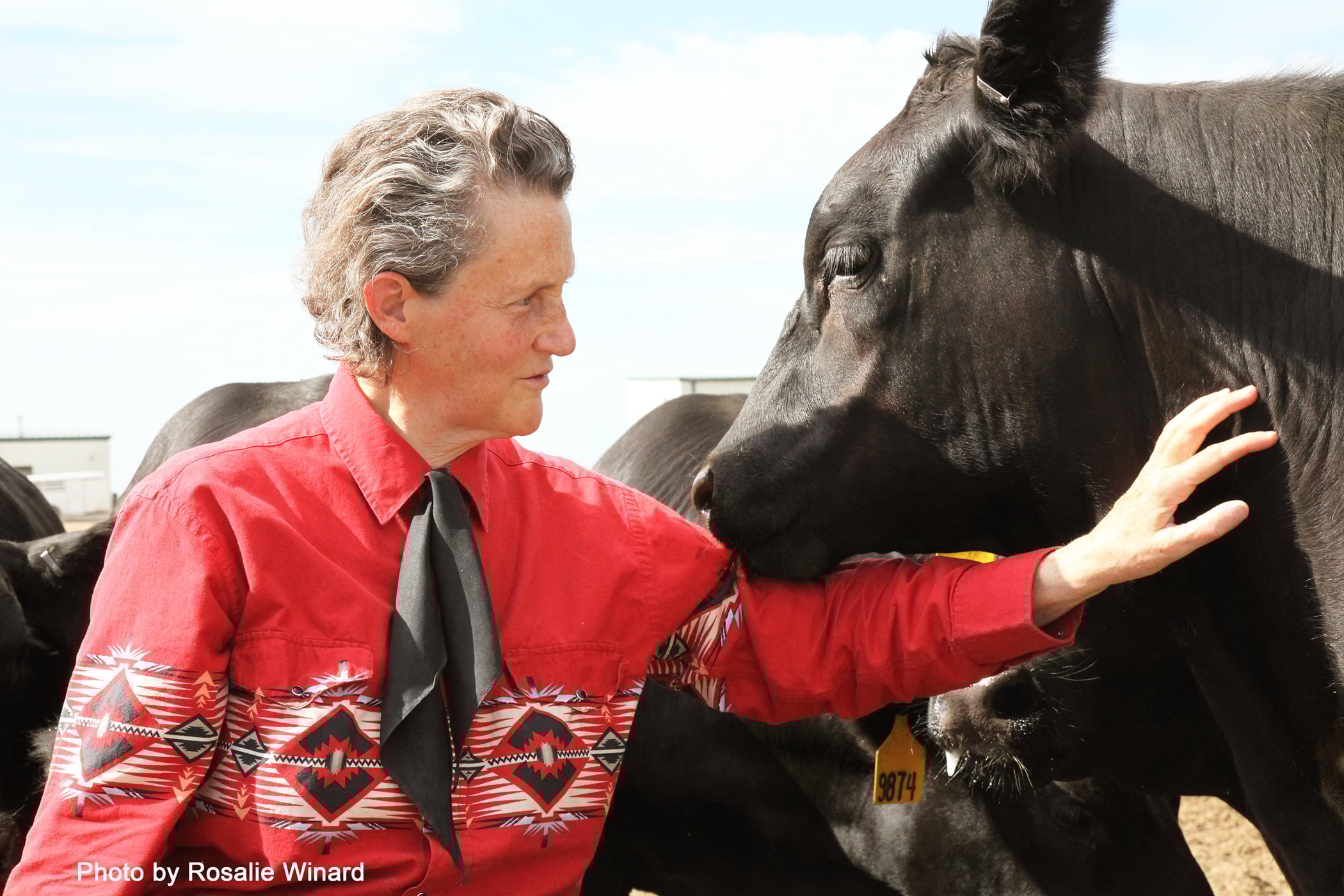
Temple Grandin belongs on this list because art and creativity aren’t limited to galleries, novels, or concert halls. Creative thinking also changes systems, solves design problems, and gives form to ideas that other people can’t yet see. Grandin is widely known for her work in animal science and for explaining autism through the language of visual thinking.
Her story matters because many autistic adults spend years being told what they lack before anyone asks how they think.
A different cognitive style can be a strength
Grandin has long described herself as a visual thinker. That idea resonates with many autistic people, though no two autistic minds work exactly alike. Some think in pictures, some in patterns, some in language, and some through intense sensory or conceptual associations. The key point is that difference in processing can become professional and creative strength.
If you’re interested in learning more about understanding autistic and autism, it helps to begin with that principle. Autism isn’t one fixed personality type. It’s a different way of experiencing and organizing the world.
Grandin’s life offers a model of what happens when a person’s unusual way of thinking is treated as useful rather than defective. She translated perception into design. She noticed details others overlooked. She connected observation to practical change.
What autistic adults can take from her example
For artists and musicians, autistic ways of thinking can support strong pattern recognition, deep focus, unusual associations, and a consistent personal style. Finding resources for artists and musicians with autism can help people build routines, sensory-friendly work habits, and communities that respect neurodivergent process instead of fighting it.
One useful mindset: Stop measuring your mind only by what feels hard. Also ask what your mind notices early, remembers deeply, or understands with unusual precision.
Grandin’s relevance goes beyond achievement. She helped many people name a hard emotional experience. Being misunderstood is exhausting. A lot of autistic adults don’t just want acceptance in theory. They want communication that is direct, respectful, and not loaded with guesswork.
That has clear relationship implications. The search for friendship or dating often becomes easier when people can be explicit about sensory needs, communication preferences, and social pace. In that sense, Grandin’s public voice did more than explain autism. It gave many people permission to describe themselves plainly.
She represents a broader truth about disability and creativity. Sometimes the most important innovation is not pretending to think “normally.” It’s building a life around the kind of mind you have.
6. John Bramblitt – Blindness & Haptic Painting
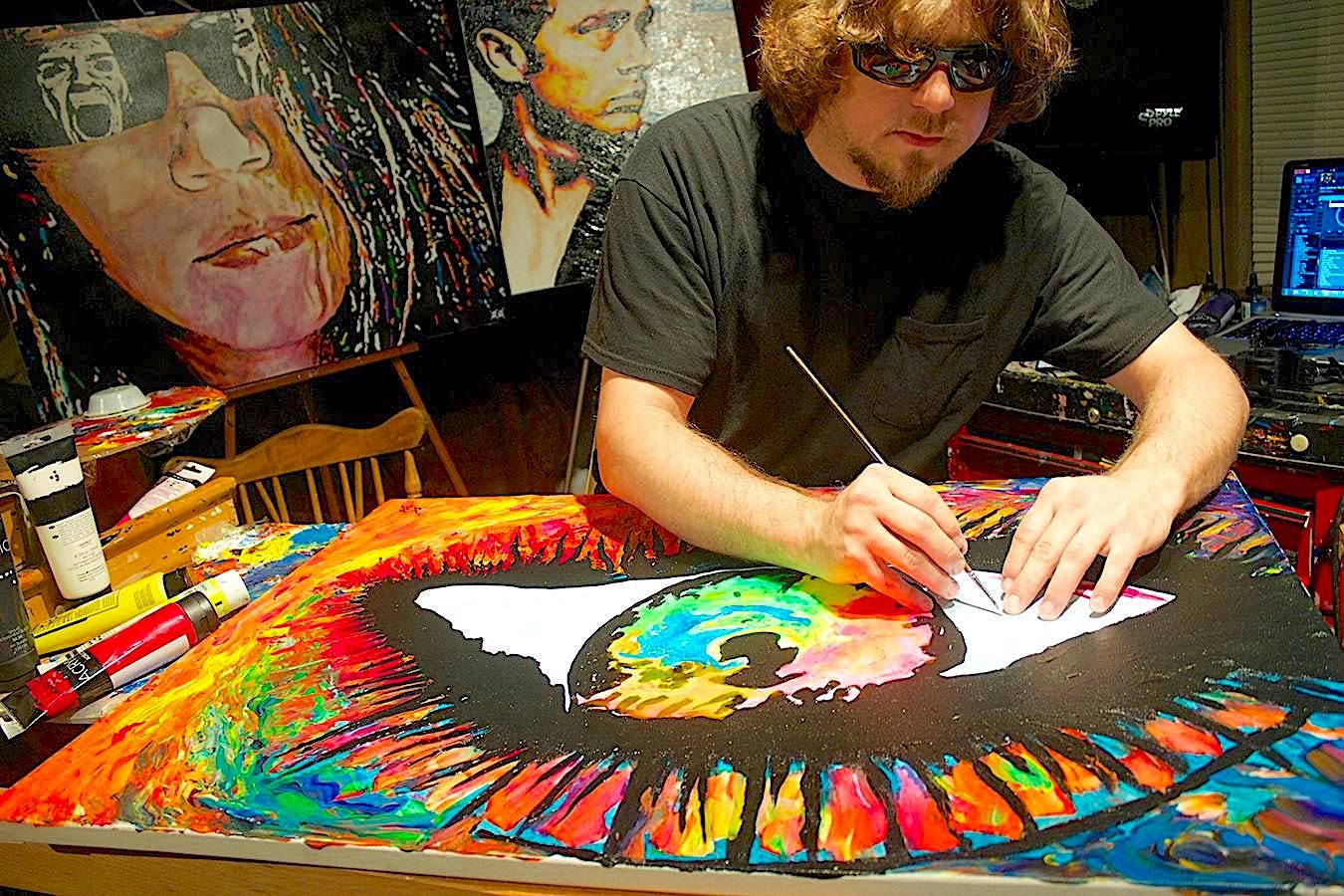
John Bramblitt’s work unsettles a common assumption. Many people think painting is impossible without sight. Bramblitt’s career proves that visual art can also be built through touch, memory, texture, and spatial reasoning.
After becoming functionally blind due to complications related to epilepsy, he developed ways to paint by feeling his materials. That practical adaptation is what makes his story so useful. It isn’t abstract inspiration. It’s method.
He paints through touch
Bramblitt is known for using textured paint and tactile strategies to organize composition and distinguish colors. That approach matters because it turns painting into a haptic practice. The canvas isn’t only seen. It’s explored.
This kind of adaptation can help disabled adults think more creatively about tools in their own lives. If a standard method doesn’t fit, the question becomes: what information can another sense provide? Touch, sound, rhythm, memory, contrast, labels, raised surfaces, voice technology, and body positioning can all become part of a new workflow.
Here’s why his method is so compelling:
- It replaces assumption with experimentation: He didn’t accept that blindness ended access to painting.
- It makes process visible: Adaptation becomes part of the craft, not something hidden backstage.
- It expands who art is for: Sighted audiences have to rethink what “seeing” means in the first place.
A broader lesson about identity
Bramblitt’s work also speaks to self-trust. Many disabled people spend years being told their perception is incomplete or unreliable. His paintings suggest something different. Perception can be different and still be rich, organized, and expressive.
That message reaches beyond art. In relationships, disabled adults often need partners and friends who respect adaptive methods instead of treating them as strange or sad. A person may use touch more deliberately, move through spaces differently, or rely on structured routines. Those aren’t personal failings. They’re ways of living in the world with intelligence.
Creative adaptation isn’t a backup plan. Sometimes it becomes the signature.
Bramblitt stands out as a famous artist with disability because he changes the audience too. After learning about his process, people can’t look at painting in quite the same way. They start to understand that art has always been more than one sense, one body, or one “normal” route to expression.
His example is especially valuable for anyone returning to creativity after vision loss. The first version of a hobby may be gone. That doesn’t mean the whole practice is gone with it. A new version may emerge that is different, slower, and more tactile, but still fully yours.
7. Stephen Hawking – ALS & Assistive Communication
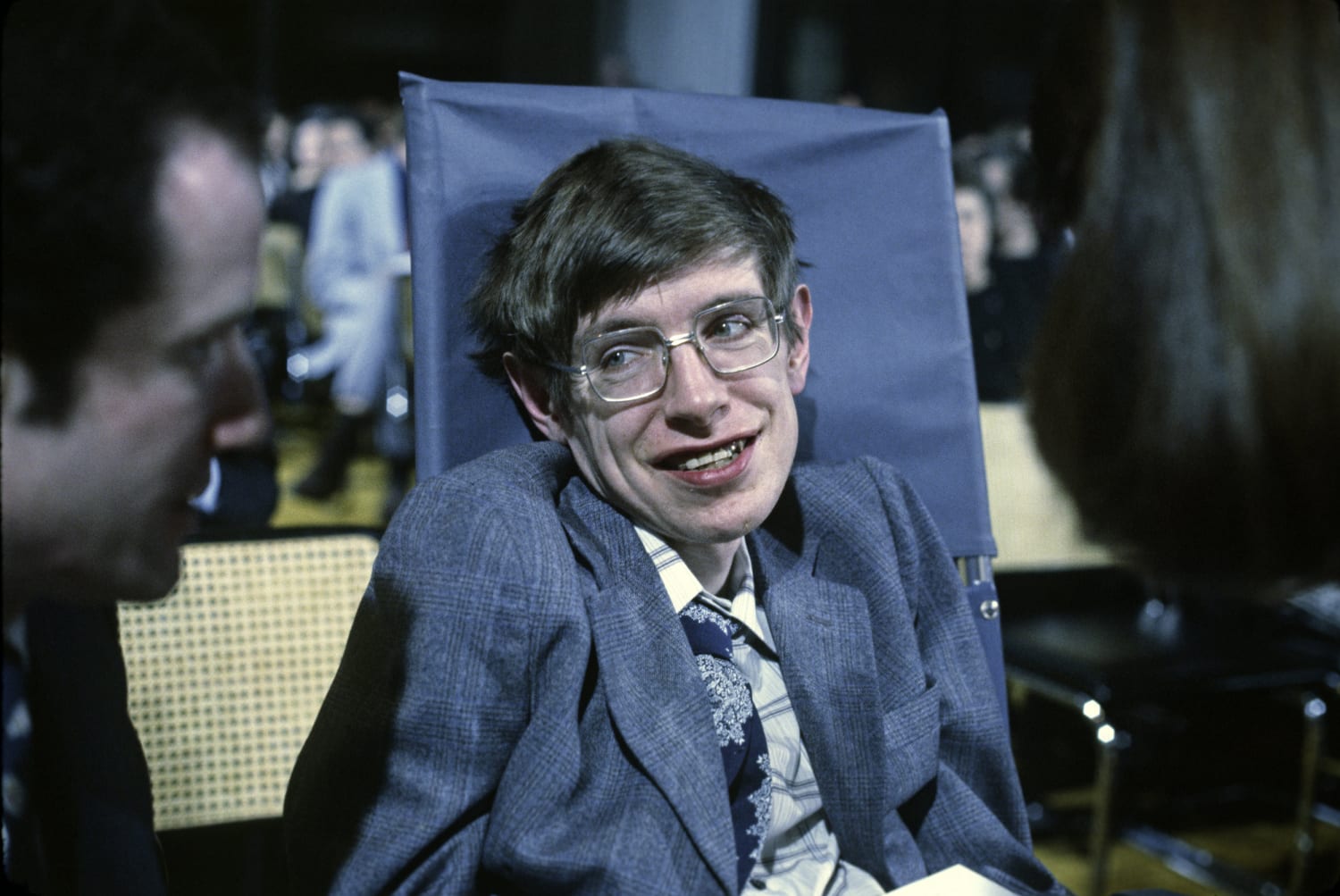
A person sits in a lecture hall, waiting through the pause before a computer-generated voice begins. The delay changes the room. People stop rushing. They listen sentence by sentence. In Stephen Hawking’s case, that pacing became part of how the world received his ideas.
Hawking lived with ALS, a progressive neurological condition that gradually reduced his muscle control and eventually made natural speech impossible. He continued writing, teaching, and speaking to the public through assistive communication. That matters here because creativity is not limited to paint, sound, or movement. It also lives in the shaping of ideas, the structure of explanation, and the ability to reach other people clearly.
His tools did more than transmit words. They influenced the rhythm of his authorship.
A speech-generating device works a bit like a musical instrument with a very deliberate tempo. Every phrase takes selection, timing, and effort. That can slow conversation, but it can also make language more intentional. For Hawking, assistive communication was not a side note to his work. It was part of the process through which his public voice took form.
That is one reason access to assistive technology for people with disabilities matters far beyond hospitals or rehab settings. These tools affect work, friendship, dating, self-advocacy, and everyday decision-making. They help people express humor, disagreement, affection, and expertise in their own words, at their own pace.
Hawking also changed how many people understood dependence and autonomy. He relied on technology and human support for many daily tasks, yet he remained unmistakably the author of his ideas. Adults with disabilities often face pressure to prove independence in a narrow, physical sense. His life points to a more accurate standard. Autonomy often means directing your life, even when you use assistance to carry it out.
That distinction can be reassuring for people who use AAC, eye-gaze systems, or other communication supports. The method is adaptive. The identity is still yours.
His example offers practical lessons that reach beyond science:
- Communication style shapes how others treat you: Slower speech or typed responses may require people to pause and listen more carefully.
- Technology can protect identity: A device can preserve direct self-expression instead of forcing other people to speak for you.
- Connection grows through patience: Strong relationships are built by reciprocity, not by speed.
- Public presence still matters: Disabled adults do not need conventional speech or movement to influence culture, teach others, or lead.
Hawking stands out in this list because his disability did not merely change how he worked. It changed how audiences related to him and to the ideas he shared. He showed that a mediated voice can still carry wit, authority, and warmth. For many disabled adults, that is the larger lesson. Expression does not lose its humanity when it passes through a device. Sometimes the extra effort makes each sentence feel more deliberate, and more profoundly heard.
7 Famous Artists with Disabilities, Comparative Overview
| Example (Disability) | Implementation complexity 🔄 | Resources & support (⚡) | Expected outcomes 📊 | Key advantages ⭐ | Ideal use cases / Tips 💡 |
|---|---|---|---|---|---|
| Frida Kahlo (Polio, spinal injuries, chronic pain) | Medium, continued art practice amid pain management | Low–Medium, basic art tools, pain care, pacing | Cultural influence; normalized disability in art | Emotional authenticity; strong audience connection | For platforms emphasizing vulnerability and peer empathy; encourage storytelling |
| Ludwig van Beethoven (Progressive deafness, mental health) | High, composing via internal auditory imagination | Medium, conversation books, adaptive communication, solitude management | Enduring masterpieces; mental health awareness | Creative resilience; sensory compensation | Model for deaf/HOH communities; emphasize communication tools and emotional support |
| Christy Brown (Severe cerebral palsy, speech impairment) | High, learned to create using single functional limb | High, adapted typewriter/paint tools, family advocacy, caregiving | Literary/artistic acclaim; validates alternative expression | Demonstrates power of adapted communication and early support | For severe physical/speech impairments; invest in early intervention and adapted tech |
| Stevie Wonder (Congenital blindness) | Medium, adapted through auditory and proprioceptive skills | Medium, accessible instruments, recording/production supports | Global cultural impact; commercial and artistic success | Musical innovation; independence and visibility | For visually impaired creatives; leverage heightened senses and mentorship |
| Temple Grandin (Autism, sensory sensitivities) | Medium, structured strategies turned into professional methods | Low–Medium, accommodations, self‑developed coping strategies | Professional innovation; advocacy and improved accommodations | Unique problem‑solving and visual thinking strengths | For neurodivergent professionals; focus on environment design and self‑advocacy |
| John Bramblitt (Acquired blindness, epilepsy) | Medium–High, developed haptic painting techniques post‑vision loss | Medium, training, textured materials, adaptation time | Continued artistic output; advocacy and workshops | Adaptability and technical innovation in art | For newly blind individuals; provide tactile training and community support |
| Stephen Hawking (ALS, progressive paralysis) | High, sustained work with severe physical decline | Very High, speech synthesizer, full‑time care, institutional support | Major scientific contributions; public engagement on disability | Intellectual productivity despite physical limits; assistive tech pioneer | For severe motor/speech disabilities; prioritize advanced assistive tech and care infrastructure |
Finding Your Voice and Community
These seven lives point to one shared truth. Disability can change the form of a life without reducing its meaning. In each case, the artist or thinker didn’t become powerful by pretending disability was irrelevant. They became powerful by working from inside it, around it, and sometimes directly about it.
Frida Kahlo made pain visible. Beethoven turned isolation into form. Christy Brown used the body available to him to create language on his own terms. Stevie Wonder showed that blindness doesn’t limit artistry or public presence. Temple Grandin reframed difference in thinking as practical insight. John Bramblitt made tactile painting part of the artistic conversation. Stephen Hawking showed that technology can carry a human voice with force and dignity.
There’s also a quieter lesson running through all of their stories. People want connection as much as achievement. Art often begins there. A self-portrait says, “See me.” A symphony says, “Feel this with me.” A memoir says, “This is what it’s like to live in my body.” A public lecture says, “I still have something to say.”
That need doesn’t disappear outside famous lives. Disabled adults today still face the same human questions in ordinary settings. Will people understand me? Will they make room for my pace, my communication style, my body, my sensory needs, my routines? Will they see my disability as one part of me rather than the whole story?
Those questions matter in friendship, dating, and community life just as much as they matter in art. A lot of emotional exhaustion comes from trying to explain yourself over and over in spaces that weren’t built with you in mind. That’s why the right community can feel so different. It lowers the pressure to perform normalcy. It gives people room to start from recognition instead of defense.
For many disabled adults, that kind of space is hard to find in mainstream social platforms. Fast swiping, vague intentions, and poor moderation can make connection feel risky or shallow. A disability-centered community can offer something calmer and more grounded. People don’t have to begin by proving that their access needs are real. They can start with conversation.
Special Bridge is built around that idea. It’s designed for adults with disabilities who want friendship, dating, and peer connection in a setting that feels safer and more welcoming. That matters because relationships grow best where people can be honest. If you use assistive technology, need a slower pace, prefer clear communication, live with chronic pain, or want to meet people who already understand disability as part of life, a more intentional space can make a real difference.
The artists in this list weren’t valuable because they were extraordinary exceptions. They matter because they reveal something universal. Every person needs a way to express who they are and a place where that expression can be received. Sometimes that happens through paint, music, writing, design, or science. Sometimes it happens through a message, a profile, a group conversation, or a first date with someone who understands.
Your story doesn’t have to look famous to matter. Your voice still matters. Your way of communicating still matters. Your creativity, your humor, your care, and your desire for connection all matter. And like the people in this list, you deserve spaces where those parts of you can be seen clearly.