
Thriving with Disability in the Community: A 2026 Guide to Connection

Have you ever tried to get through your day, but it feels like the world wasn’t quite built for you? Maybe a flight of stairs where a ramp should be, or an online form that’s impossible to navigate with a screen reader. For millions of people, this isn’t a rare inconvenience—it’s a daily reality.
When we talk about disability in the community, we’re not talking about a sterile, academic definition. We’re talking about a massive, diverse group of people navigating a world that often puts up unnecessary barriers.
The Shared Human Experience of Disability
The word “disability” itself covers a huge range of human experiences. It includes conditions you can see and many more that you can’t. It’s less of a single label and more of a giant population of individuals with unique skills, backgrounds, and dreams.
What often unites this group is the shared experience of dealing with a society that isn’t always set up for their success.
And this community is enormous. Recent data shows that an estimated 44.7 million Americans, or 13.6% of the civilian noninstitutionalized population, live with a disability. That makes people with disabilities one of the largest minority groups in the United States.
A Diverse and Growing Population
It’s crucial to remember that the disability community isn’t a monolith. It’s made up of people from all walks of life, with a wide spectrum of conditions. Some people are born with developmental disabilities, while others might acquire one later in life from an accident or illness.
This diversity is a powerful source of strength, weaving a rich tapestry of different perspectives and lived experiences. But it also means that a one-size-fits-all approach to inclusion just doesn’t work. What’s helpful for one person might be a hindrance to another, which is why person-centered support is so critical.
“At its core, Disability Pride is about being accepted on our own terms. It says disability is not something to hide or fix—it’s part of who we are. Everyone deserves inclusion, rights, and respect, without having to earn them.”
This way of thinking flips the script entirely. It shifts the focus away from “fixing” a person and toward fixing the barriers in our society. So, when we discuss disability in the community, we’re really asking how our shared spaces—from local parks to online forums—can either help or hinder someone’s ability to fully participate in life.
The data below helps put the scale of just a few common disability types into perspective.
As you can see, these numbers represent millions of people. Ambulatory disabilities affecting mobility are particularly common, impacting over 6% of the population.
This next table breaks down the numbers even further, showing just how widespread different types of disabilities are across the country.
Disability Prevalence in the US Community
This table breaks down the prevalence of different disability types among the noninstitutionalized population, illustrating the scale and diversity of the disabled community.
| Disability Type | Affected Population (Millions) | Percentage of Population |
|---|---|---|
| Hearing | 11.5 | 3.5% |
| Vision | 8.1 | 2.5% |
| Cognitive | 14.3 | 4.4% |
| Ambulatory | 20.3 | 6.2% |
| Self-Care | 7.0 | 2.2% |
| Independent Living | 15.6 | 4.8% |
These figures underscore a simple fact: disability is a common part of the human experience. Millions of your neighbors, coworkers, and community members are navigating these challenges every day.
Why Community Is So Vital
Living with a disability can feel incredibly isolating, especially when the world around you seems inaccessible. This is where community—both in-person and online—becomes an absolute lifeline.
A strong community provides:
- Shared Understanding: There’s nothing like connecting with people who just get it. This creates a powerful sense of belonging and validation.
- Practical Support: Members often trade invaluable resources, tips, and life hacks for navigating day-to-day challenges.
- Advocacy and Empowerment: Together, a community’s voice is stronger. They can push for meaningful change, advocating for greater accessibility and inclusion for everyone.
- Social Connection: At its heart, community is where we find our tribe. It’s where friendships are made, relationships are built, and loneliness fades away.
Whether it’s a local support group, an online forum, or a dedicated platform for connection, these networks are essential for well-being. By taking the time to understand the breadth of the disability experience, we can truly appreciate why building these supportive communities is one of the most important things we can do. You can check out our guide on living with a disability to explore this topic further.
Navigating Social and Environmental Barriers
If you’ve ever felt like finding a connection is an uphill battle, you’re not alone. But it’s important to know the struggle rarely comes from the disability itself. The real challenges are the barriers our society has built, often without a second thought.
When we talk about barriers to disability in the community, we’re not pointing fingers at individuals. We’re looking at the external forces that create isolation and prevent people from participating. Understanding this shifts the focus from a personal problem to a community responsibility. It’s the first step toward building spaces where everyone truly belongs.
Physical and Environmental Obstacles
The most obvious roadblocks are the physical ones. Think about trying to join a meet-up in a building that only has stairs. Or wanting to grab a bus that doesn’t have a working ramp or lift. These aren’t just annoyances; they are literal walls that cut people off from social events, jobs, and daily life.
Sometimes, these barriers are more subtle. A dimly lit restaurant can be impossible for someone with a vision impairment to navigate. A loud, crowded festival can trigger sensory overload for an autistic person. Even things like a lack of accessible parking, cracked sidewalks, or heavy doors can stop someone from being a part of their community.
Attitudinal and Social Walls
Then there are the invisible walls—the ones built from stereotypes, outdated beliefs, and simple misunderstanding. These attitudinal barriers are often the most hurtful because they make people feel completely alone. They show up when someone assumes a person with a disability is helpless, less intelligent, or inspirational just for living their life.
This can lead to being talked over, ignored, or treated like a child. Pity and hero-worship might seem different, but they are two sides of the same coin. Both stop a real, equal connection from ever forming.
The most profound barriers are not made of brick and mortar, but of assumptions and stereotypes. When we dismantle these, we open the door to true community and connection, where everyone is seen and valued for who they are.
For individuals and families navigating these challenges, especially when it comes to housing, knowing your rights is crucial. Understanding the Hidden Rules of ESA Housing can offer much-needed clarity and support.
Systemic and Institutional Hurdles
Finally, we have the barriers that are baked into our systems and policies. These are the rules, procedures, and cultural norms that—intentionally or not—put people with disabilities at a disadvantage. They are powerful because they limit access to education, healthcare, and financial security.
A glaring example is the employment gap. In the most recent year of reporting, only 22.8% of people with disabilities were employed, compared to 65.2% of those without. The unemployment rate for disabled individuals is often double that of their non-disabled peers. This isn’t a personal failing; it’s a systemic one, as highlighted in reports from the U.S. Bureau of Labor Statistics.
Other systemic barriers include:
- Inaccessible Technology: Websites, apps, and software that don’t work with screen readers or other tools effectively lock people out of the digital world.
- Complex Bureaucracy: The maze-like process of getting disability benefits or healthcare can be incredibly stressful, draining energy that could be spent connecting with others.
- Lack of Representation: When disabled individuals are missing from our media, government, and leadership roles, it reinforces the message that they are invisible.
These barriers don’t exist in a vacuum. They pile on top of each other, creating a tangled web that can feel impossible to escape. The first step to fixing it is seeing it for what it is. To learn more about navigating some of these digital roadblocks, check out our article on assistive technology for people with disabilities.
How to Build a Truly Inclusive Community
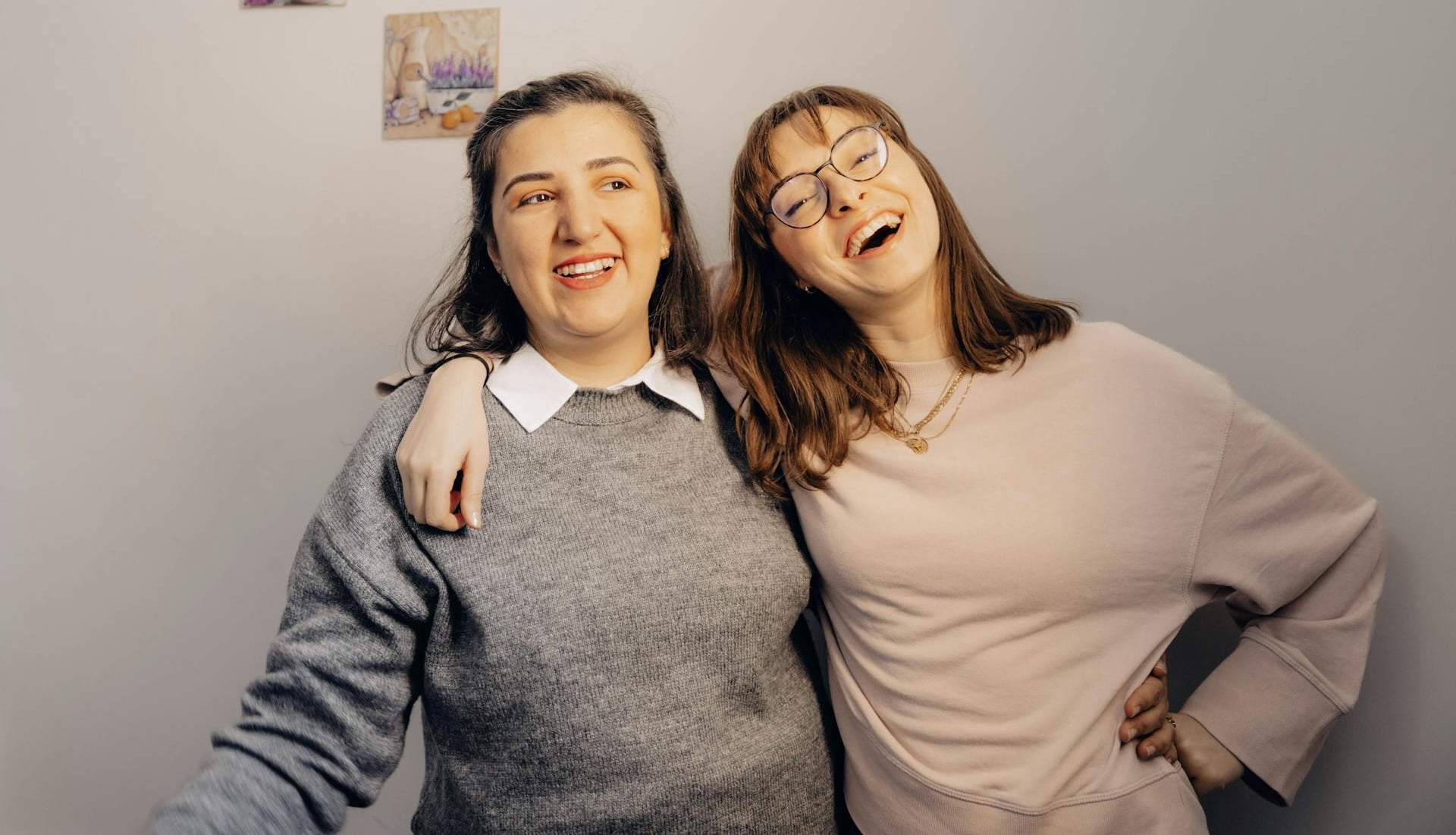
Once you can see the barriers that leave people out, the next step is to start tearing them down. Making a community where every person with a disability feels like they belong isn’t about some grand, complicated plan. It really starts with small, intentional choices and a real commitment to see the world through someone else’s eyes.
True inclusion is something you do, not just something you say. It’s about creating a world that expects and welcomes all kinds of people from the very start, instead of just fixing problems as they pop up. By focusing on real-world solutions, we can change our physical and social spaces for the better.
Embracing Universal Design
A game-changing concept for physical access is universal design. This just means creating buildings, products, and spaces that are easy for everyone to use, without needing special changes or add-ons.
Think of it this way: a curb cut on a sidewalk was first made for wheelchair users. But it also helps parents with strollers, travelers pulling luggage, and delivery people using handcarts. One thoughtful design choice benefits everybody.
Universal design isn’t just about making room for disability; it’s about celebrating human variety. When we create things that work for everyone from the get-go, we build a world where inclusion just happens naturally.
This idea can be applied to almost anything. It means designing parks with smooth, wide paths, building websites with clear layouts and adjustable text, and making public transit simple for anyone to get on and off. The goal is to remove the obstacle before it ever becomes one.
The Power of Accessible Technology
In our hyper-connected world, technology can be a massive ally for disability in the community. When digital tools are built with everyone in mind, they unlock incredible opportunities for social connection, work, and learning.
You probably see these examples every day:
- Screen Readers: This software reads on-screen text out loud, which is a lifeline for people with vision impairments. When websites are coded the right way, screen readers make the internet fully usable.
- Video Captions: They were created for people who are deaf or hard of hearing, but now millions use them in noisy places or when they need to be quiet. Captions make video work for everyone.
- Voice-to-Text Software: This tech lets people with mobility issues write emails, send texts, and control their devices just by speaking.
When businesses and individuals make these small efforts—like adding alt text to images or captioning their videos—they make the digital world a much more welcoming place. To see how these small steps add up, you can learn more about inclusion in the community and discover what you can do.
Communicating with Respect and Dignity
Beyond buildings and apps, the most critical part of an inclusive community is how we interact. The words we choose and our attitudes can either build bridges or put up walls.
One of the best tools for this is people-first language. This simply means you put the person before their disability. For example, instead of saying “an autistic person,” you would say “a person with autism.” Instead of “a wheelchair-bound man,” you’d say “a man who uses a wheelchair.”
This might feel like a minor change, but its impact is huge. It frames a disability as just one part of who someone is, not their whole identity. It’s a constant reminder that we’re all people first. Of course, some people and groups prefer identity-first language (“autistic person”), so the best rule is always to listen and respect what an individual prefers.
By combining universal design, accessible tech, and respectful language, we can fundamentally shift a community’s culture. These practical steps prove that building a truly inclusive world for people with disabilities is not only possible but makes life better for all of us.
Finding Your People and Building Connections
Knowing you need a community is the first step. Actually building one is the real work. Making new friends or looking for a relationship can feel like a huge mountain to climb, but it really starts with one small thing: figuring out what you love to do.
Your passions are the best bridge to other people.
Think about it. When you’re doing something you enjoy—whether it’s gardening, playing board games, or discussing classic movies—the pressure to “make conversation” just disappears. The focus is on the shared activity, not on finding the right words. It’s a much more natural way to let genuine connections grow.
Starting Local and Finding Your Niche
Some of the best opportunities to connect are hiding in plain sight, right in your own town. You just need to know where to look. Community centers, libraries, and even local parks are often buzzing with groups and activities.
Here are a few places to start looking for local groups:
- Community and Recreation Centers: Check their schedules for things like adaptive sports, art classes, book clubs, or social mixers. They’re built to bring people together.
- Public Libraries: Libraries are more than just books. They host free workshops, lectures, and club meetings in a quiet, accessible space perfect for low-pressure hangouts.
- Meetup.com and Similar Sites: Platforms like Meetup let you search for local groups based on almost any hobby imaginable. You can find everything from hiking groups for all abilities to coding clubs.
- Volunteer Organizations: Putting your time toward a cause you believe in is a fantastic way to meet people who share your values. You’re working side-by-side, which creates a strong foundation for friendship.
If you’re looking for a more structured setting, it’s also worth checking out different kinds of support groups for disabled adults, which offer a mix of peer friendship and organized social events.
Navigating the World of Online Communities
The online world opens up another huge door for connection, especially if leaving the house is a challenge or you live somewhere with fewer local options. Online groups tear down geographic walls, helping you find your tribe no matter where you are.
But not all online spaces are the same. Huge, mainstream social media sites can be noisy, overwhelming, and sometimes just plain unsafe. A better bet is often to find specialized communities built with safety and understanding at their core.
“When you can’t verbally express your needs, finding an environment that accommodates you without question feels like being seen for the first time. That’s the power of a true community—it creates a space where you can peacefully exist.”
This is exactly where platforms like Special Bridge make a difference. It was created specifically for adults with physical, mental, and developmental disabilities to provide a calmer, more welcoming space. The whole point is to build real friendships and romantic relationships at a pace that feels right for you. With features like private messaging, profile reviews to cut down on fakes, and groups based on interests, it’s designed to be a safe harbor where disability in the community is understood and celebrated.
How to Actually Make a Meaningful Connection
Whether you’re meeting someone down the street or online, the goal is the same: find people you genuinely click with.
Building a genuine profile on a platform like Special Bridge is a great first step. Be honest about who you are, what you love, and what you’re looking for. A little bit of vulnerability goes a long way in attracting the right people.
When you start talking to someone, lead with curiosity. Ask open-ended questions about their hobbies or something you found interesting in their profile.
Most importantly, be patient. Building strong connections takes time. There’s no race to the finish line. Move at your own speed and don’t forget to celebrate the small wins.
Staying Safe While Connecting Online
Jumping into the world of online dating and social media is exciting, but it’s also completely normal to feel a little cautious. The good news is, a few smart strategies can help you build those new connections with confidence. By putting your safety first, you stay in the driver’s seat of your social life.
Think of it less like a list of rules and more like building a comfortable space for yourself. When you know how to protect yourself, you can relax and focus on what really matters: finding genuine people.
Your First Line of Defense
Most trusted dating and social platforms come with built-in safety features, and your first line of defense is always the site’s own messaging system.
When you keep your chats inside the app or website, you keep your personal info—like your phone number or email address—private. Scammers almost always try to move the conversation to another app right away. Saying no to that is a simple but powerful way to stay safe.
Your personal information is valuable. Treat it like the key to your home—only share it when you are absolutely certain you can trust the person on the other side. This simple rule helps you stay in control of your interactions.
It also helps to learn how to spot red flags. People who aren’t being honest often use the same old tricks. For a deeper dive, our guide on how to spot fake dating profiles offers detailed examples.
Using Moderated Platforms and Tools
Choosing the right environment is half the battle. Mainstream sites can be overwhelming, which is why specialized, moderated platforms are so valuable for promoting disability in the community safely.
These platforms are built to be safe harbors where members are much more likely to be genuine and understanding. They often include features like:
- Profile Reviews: Real people or smart systems check new profiles to weed out fakes and scammers before they ever reach you.
- Active Moderation: A dedicated team is on hand to handle reports and make sure everyone follows the community rules, keeping things respectful.
- Robust Safety Tools: You get easy access to block and report functions. Think of them as your personal digital bodyguards—use them without a second thought if someone makes you feel uncomfortable.
These features help create a space where you can let your guard down and just be yourself, knowing there’s a system looking out for you.
Transitioning from Online to In-Person
Meeting someone in person for the first time is a big step. Having a clear safety plan makes it feel less scary and a lot more exciting. The goal is to set up a situation where you feel comfortable and in control from beginning to end.
This planning is especially crucial because real-world barriers still exist. Health disparities are a reality, with 16.6% of disabled adults having diabetes versus 7.9% of those without. On top of that, nearly a third (32.3%) of adults with disabilities report having trouble with independent living, which shows that community spaces aren’t always built for everyone. As the CDC’s findings on disability impacts highlight, these local challenges make planning for real-world meetings essential.
Here’s a simple checklist for a safe first meetup:
- Choose a Public Place: Always meet somewhere busy and public, like a coffee shop, a park in the daytime, or a casual restaurant. Never agree to meet at your home or theirs.
- Tell a Friend: Let someone you trust know your plan. Share who you’re meeting, where you’re going, and when you think you’ll be back.
- Arrange Your Own Transportation: Drive yourself or use a rideshare service. This guarantees you can leave whenever you want, without having to rely on your date.
- Keep It Brief: A short first meeting, like just grabbing a coffee, is a low-pressure way to see if a real connection is there.
- Trust Your Gut: If something feels off, it probably is. Don’t ever feel bad about ending the meeting early. Your safety is always the number one priority.
Know Your Rights and Find Key Resources
Stepping out into the community to find friends or romance takes courage. A big part of feeling confident comes from knowing your rights and where to find solid support. Think of this knowledge as your foundation—it protects you from unfair treatment and opens up doors you might not have known existed.
The most important law on your side is the Americans with Disabilities Act (ADA). In simple terms, the ADA is a civil rights law that makes it illegal to discriminate against you because of a disability. This applies to almost every part of public life: jobs, schools, transportation, and any place open to the public, from a local coffee shop to a government building. It’s the reason a building needs a ramp, a website has to be accessible, and a job must provide necessary accommodations.
Understanding the ADA is less about memorizing legal text and more about knowing what you’re entitled to. It’s the tool that ensures you can expect access, not just hope for it. Your place in the community isn’t just a nice idea—it’s protected by law.
While the ADA provides the legal muscle, you often need practical help to make those rights a reality. Luckily, you don’t have to figure it all out by yourself. There’s a whole network of groups out there ready to help.
Essential Resources for Community and Support
Feeling like you’re on your own is common, but help is always closer than you think. Whether you need some advice, support for your mental health, or just a group of peers who get it, you have options. It’s also important to understand legal tools that support your independence, like looking into alternatives to guardianship for adults with disabilities that help you and your loved ones make choices without giving up your legal autonomy.
Here are some of the best places to start looking for support:
- National Advocacy Organizations: Groups like The Arc are a fantastic starting point. They offer a ton of resources, keep up with the latest on disability rights, and can connect you with a local chapter right in your area.
- Centers for Independent Living (CILs): These are incredible, community-based non-profits that are run by and for people with disabilities. CILs are all about peer support, teaching practical skills for daily life, and advocating directly for individuals to live more independently.
- Protection and Advocacy (P&A) Systems: Every single state has a P&A agency that is federally required to exist. Their job is to provide legal help to protect the rights of people with disabilities. If you’re facing issues like discrimination, neglect, or abuse, they are the ones to call.
- Mental Health Support Networks: Your mental well-being is a huge part of being active in the community. Organizations like the National Alliance on Mental Illness (NAMI) provide support groups, educational programs, and helplines for both individuals and their families.
- Online Hubs and Forums: The internet is home to some amazing communities. Websites like Rooted in Rights and the Disability Visibility Project go beyond basic social media, offering news, personal stories, and cultural content that truly celebrates and empowers the disability community.